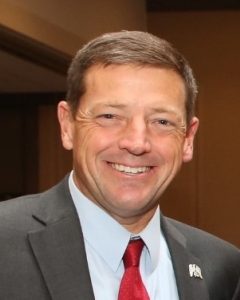
Ed Martin
Former head of the Justice Department’s Weaponization Working Group
5 findings
What the labels mean
- ConvictedA criminal jury found them guilty.
- Found liableA civil jury ruled against them.
- Court ruledA judge ruled against them or their policy.
- Watchdog foundAn inspector general, Congress's auditors at the GAO or UN investigators.
- AdmittedThey acknowledged it, or their own government's records and court filings show it.
- On recordSomething they said or did in public.
- ReportedNews reporting they deny or haven't confirmed.
- AllegedAccusations in lawsuits, complaints or from sources. Unproven.
Admitted or on record 3
-
On record
“If they can’t be charged, we will name them.”
He said people his group couldn’t charge should be publicly shamed. Justice Department protocols say officials generally shouldn’t comment on ongoing investigations.
-
On record
As pardon attorney: “No MAGA left behind.”
He posted it right after thanking Trump for pardoning a sheriff convicted of bribery.
-
On record
As DC’s top prosecutor, he signed off on the dismissal of a January 6 case in which he had been the defense lawyer.
The DC Bar declined to investigate, calling his role “ministerial,” a formality, because the pardon had already been issued.
Reported and alleged 2
-
Alleged
DC Bar prosecutors charged him with ethics violations over his letter to Georgetown Law.
In a letter, he said his office wouldn’t hire anyone tied to the school over its diversity teaching. A second count covers an improper contact with a judge. The Justice Department called the case partisan.
-
Reported
He was removed as head of the weaponization group, then left the department.
The Washington Post reported superiors ordered him to rescind a letter suggesting an FBI agent who responded to Sandy Hook was under investigation. Blanche called him “a patriot who loves this nation.”